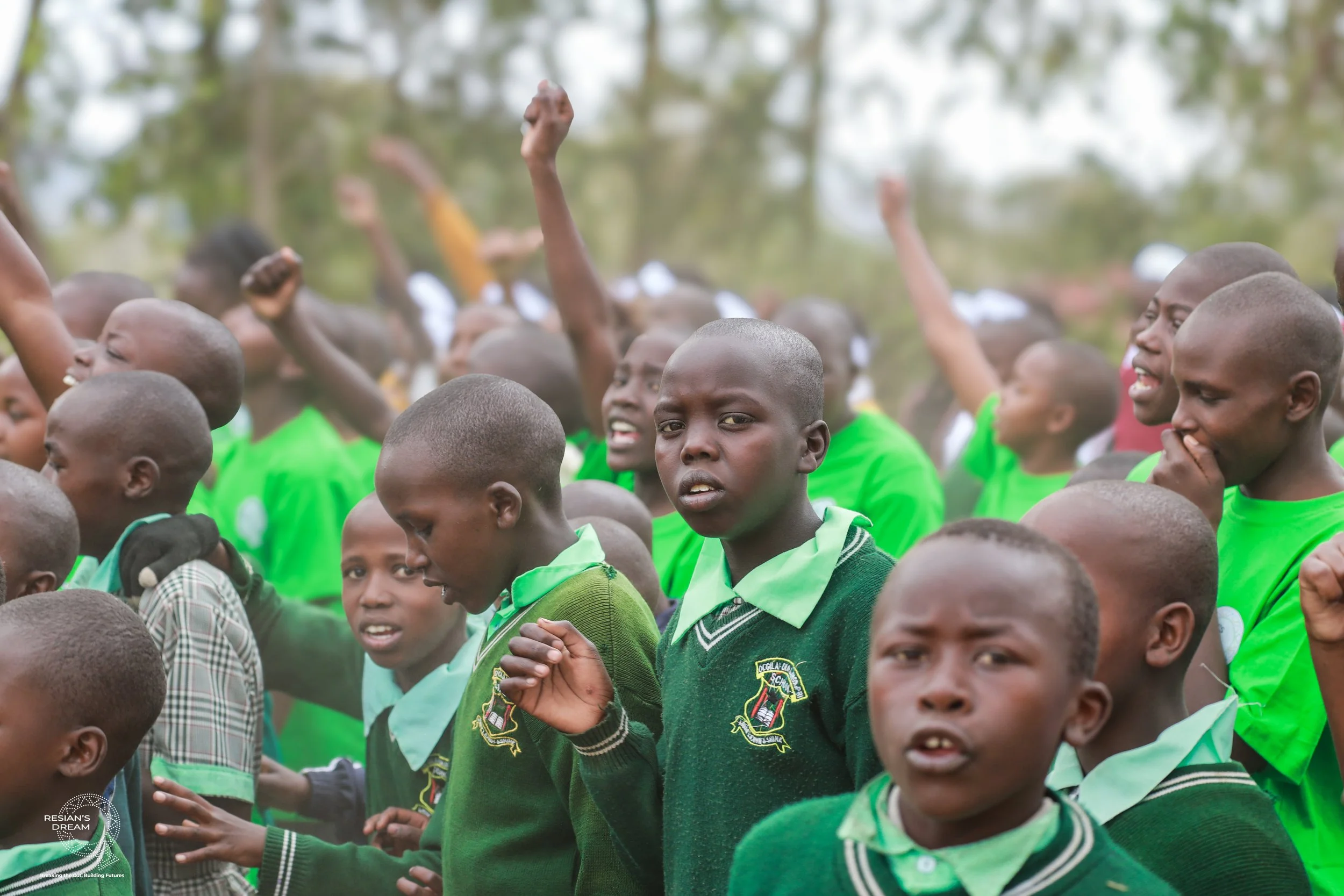
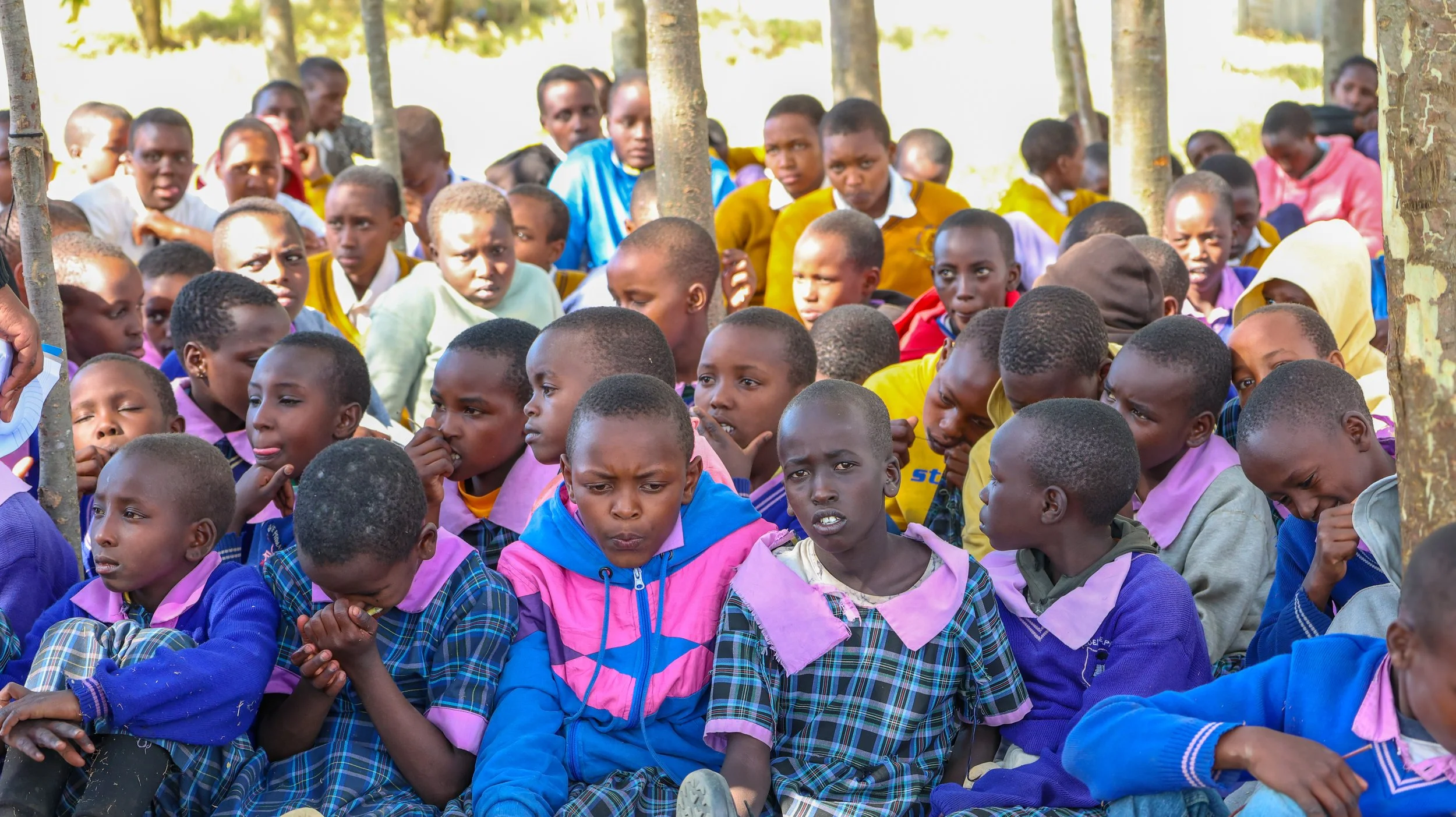
What is #FGM
Female genital mutilation (FGM) refers to all procedures involving partial or total removal of the female external genitalia or other injury to the female genital organs for non-medical reasons. It is most often carried out on young girls between infancy and age 15. In every form in which it is practiced, FGM is a violation of girls’ and women’s fundamental human rights, including their rights to health, security and dignity.
Ending FGM is not optional. It requires urgent action, now. By educating communities, elevating survivor voices, and protecting girls through safe spaces and advocacy, we can stop this practice and ensure every girl grows up free from violence and fear.
-
Girls are most at risk of female genital mutilation (FGM) in settings where the practice is sustained by long-standing social norms and expectations, and is often linked to ideas of marriageability, coming of age, or social inclusion. Risk is highest during infancy through adolescence, when girls have limited agency and decisions are commonly made by families or community members acting within established traditions.
Structural factors such as poverty, limited access to education, gender inequality, and lack of adequate health, legal, and child-protection services increase vulnerability, particularly in rural and marginalized communities. Girls who face early or forced marriage, interruption of schooling, or weak protective environments are at heightened risk.
FGM persists where silence, stigma, and misinformation limit open dialogue and access to support. Strengthening community-led awareness, education, prevention, and protection mechanisms—while upholding the human rights, dignity, and wellbeing of girls—is essential to ending the practice and ensuring that all girls can grow up safe and empowered.
-
Female genital mutilation (FGM) has significant and lifelong consequences for the physical, mental, and social wellbeing of girls and women. Survivors may experience immediate and long-term health complications, including severe pain, excessive bleeding, infections, complications during pregnancy and childbirth, and chronic reproductive and urinary health challenges.
Beyond physical harm, FGM can have profound psychosocial effects. Many survivors report anxiety, depression, post-traumatic stress, and feelings of loss of autonomy over their bodies. These impacts can affect educational attainment, participation in social and economic life, and the ability to form healthy relationships.
At the community level, FGM is sustained by gender inequality and social norms that limit the rights and opportunities of girls and women. Its continuation undermines collective wellbeing and development. Addressing FGM therefore requires a holistic, community-led approach that centers health, dignity, and human rights, and supports families and communities in advancing the wellbeing and empowerment of girls and women.
-
Female genital mutilation (FGM) is practiced in parts of Africa, the Middle East, and Asia, as well as among some diaspora and migrant communities globally. The practice is sustained by long-standing social norms and expectations, and is often linked to beliefs about social acceptance, marriageability, and family honor. In many contexts, families experience strong social pressure and fear of exclusion if girls do not undergo the practice, which contributes to its continuation across generations.
FGM is sometimes associated with religious or moral justifications; however, it is not mandated by any religion. Rather, it is a harmful practice rooted in gender inequality and unequal power relations affecting girls and women. While the practice persists in certain settings, communities are not static, and many leaders, families, and survivors are actively working to end FGM through dialogue, education, and collective action that upholds the health, dignity, and human rights of girls and women.
-
Female Genital Mutilation (FGM) is illegal in many countries around the world because it is recognized as a serious violation of human rights. Laws in countries where FGM is commonly practiced, as well as in nations with migrant communities, criminalize performing, assisting, or facilitating the cutting of girls, including taking them abroad to have it done. Despite these laws, enforcement is often weak due to fear, secrecy, and lack of awareness, allowing the practice to continue underground. Legal protections are a vital tool in the fight to end FGM, but they must be paired with education, survivor support, and community action to truly protect girls and hold perpetrators accountable.
-
The Maasai are among the most widely recognized Indigenous peoples in the world. For generations, their culture has thrived across Kenya and Tanzania, defined by strong community bonds, rich oral traditions, distinctive dress and beadwork, and a deep relationship with land and livestock. Maasai identity is rooted in values of responsibility, belonging, resilience, and respect for community—values that have endured despite colonial disruption, land displacement, and rapid social change. Globally, the Maasai are admired for their cultural strength and continuity.
Like all living cultures, the Maasai community is not static—it evolves. Yet within this proud heritage exist practices that cause serious harm to girls and young women. Female Genital Mutilation (FGM) and child marriage remains highly prevalent within the Maasai community in rural Kenya and, in ethnic-group comparisons, ranks among the highest prevalence rates in the country—placing thousands of girls and young women at high risk every year. Among the Maasai community, the practice of Female Genital Mutilation (FGM) and child marriage is rooted in long-standing social, cultural, and economic norms. FGM has traditionally functioned as a rite of passage marking the transition to womanhood and is often viewed as a prerequisite for marriage. Both practices are closely linked to beliefs around preserving chastity, controlling female sexuality, and ensuring social acceptance within the community. Strong social pressure, fear of stigma, and the desire to uphold cultural identity contribute to their continuation. Economic factors, including poverty, limited access to education, and the role of bride price, further reinforce child marriage, particularly in rural settings where girls have fewer perceived alternatives.
Understanding these realities is essential—but they do not excuse harm. FGM and child marriage have devastating and lifelong consequences. They endanger girls’ physical health, compromise their emotional wellbeing, interrupt their education, and limit their ability to make choices about their own futures. No cultural tradition should come at the cost of a child’s safety, dignity, or potential.
Respect for the Maasai people must include an honest recognition of this harm and a commitment to ending it. Supporting the eradication of FGM and child marriage is not an attack on culture—it is an affirmation of life, health, and human rights. Protecting girls strengthens families, upholds community values, and creates opportunities for future generations to thrive.
Crucially, change is already being led from within the Maasai community. Women, elders, youth leaders, educators, and advocates are challenging harmful practices, creating alternative rites of passage, and opening conversations grounded in cultural respect and care for children. Their leadership makes one truth clear: cultural identity and the protection of girls are not in conflict.
Honoring the Maasai means listening to these voices, standing alongside community-led solutions, and recognizing that culture grows with knowledge, compassion, and courage. True respect lies in supporting a future where Maasai traditions continue—strong, vibrant, and free from practices that harm the very children meant to carry them forward.
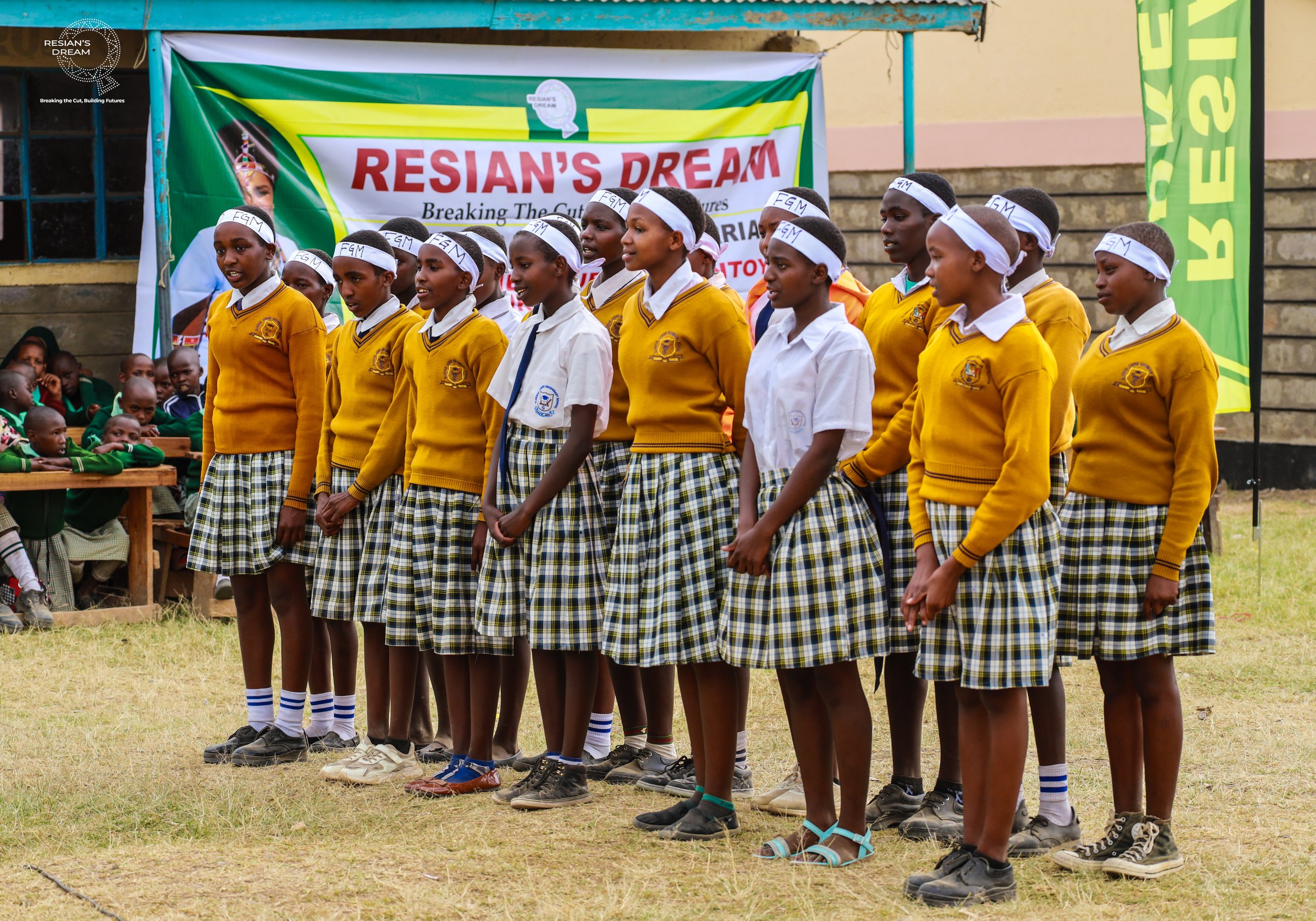
We must stop #FGM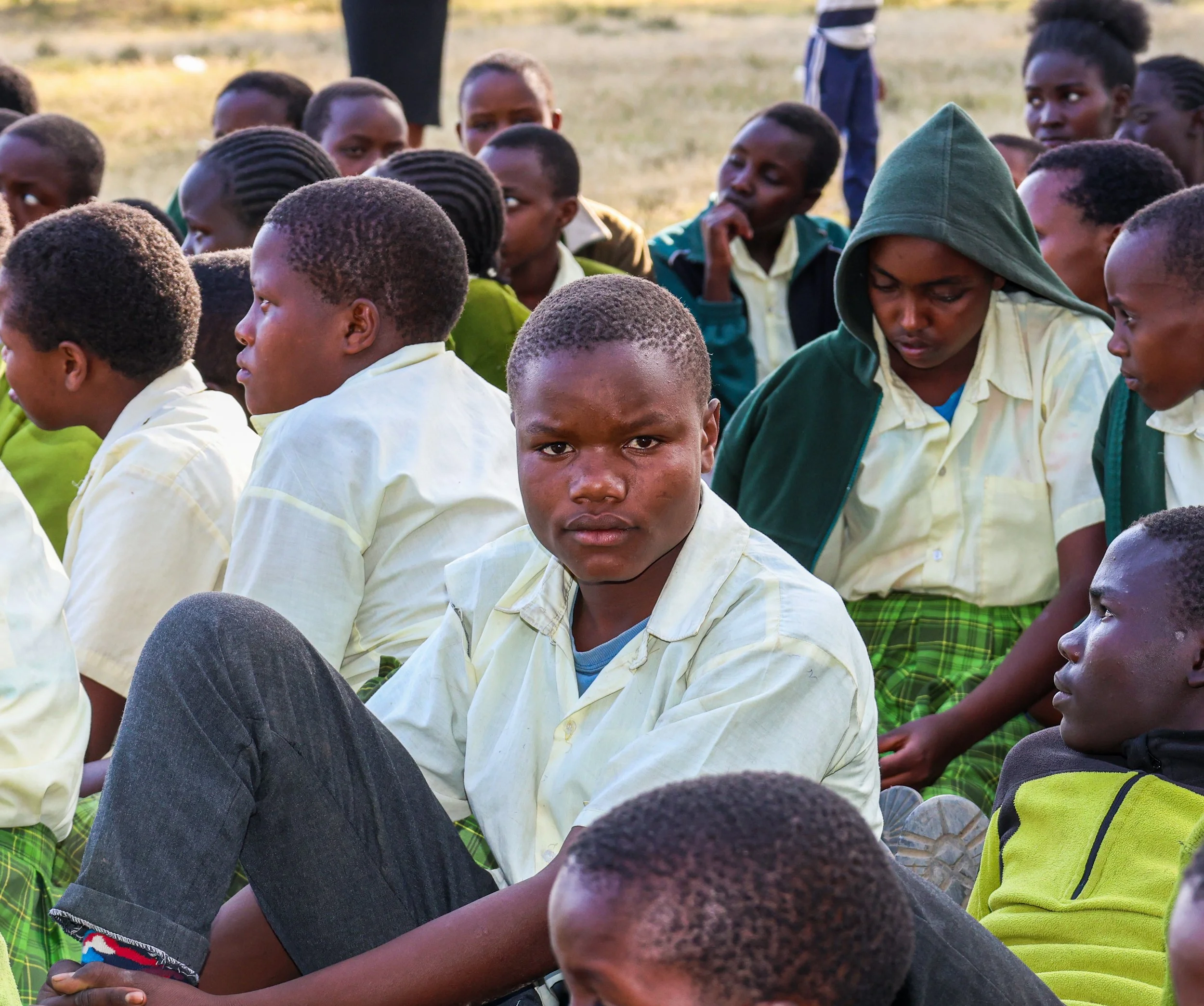
#FGM is most often performed on girls while they are still children, sometimes infants, without their consent, and it has no medical benefits while causing serious, lifelong physical and psychological harm, including severe pain, infections, childbirth complications, and even death.